Exhibition
From the courtyard to the underground levels of Ca l’Eudald
From mill to museum
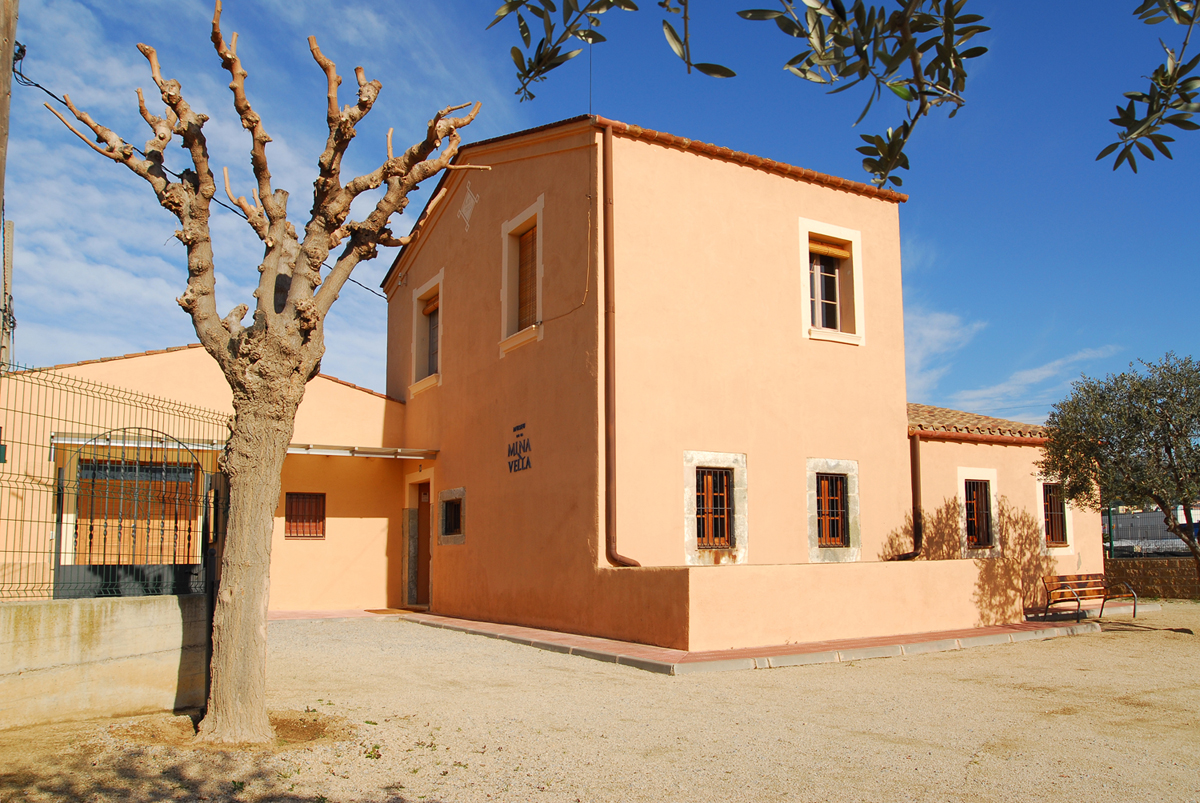
Ca l’Eudald was built around 1806 as a water-powered flour mill. It became a country house around 1915. After restoration and open days in 1999, the Museum opened to the public in 2000 to preserve and share the water heritage of Vilassar de Mar.
The Museum courtyard
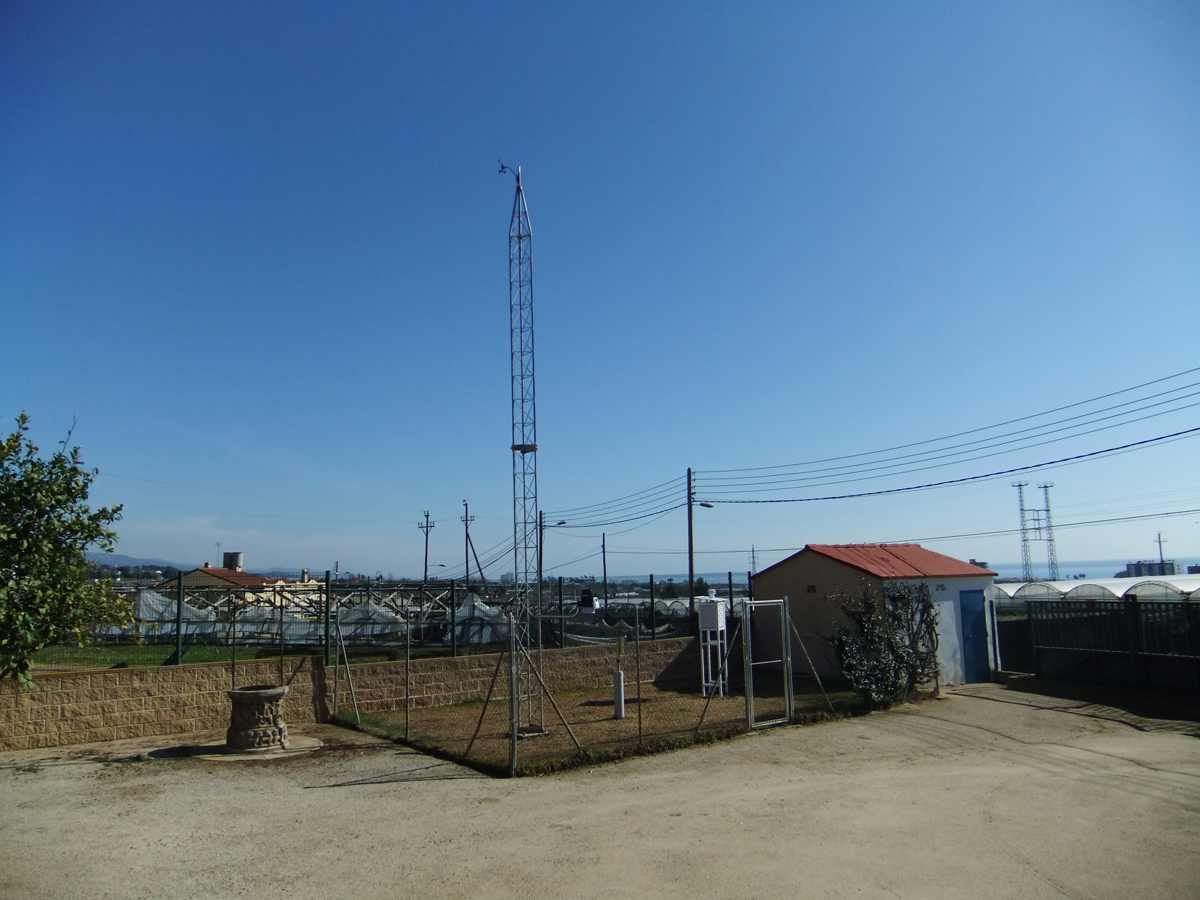
- Weather station
instruments measure temperature, humidity, wind, rainfall and solar radiation.
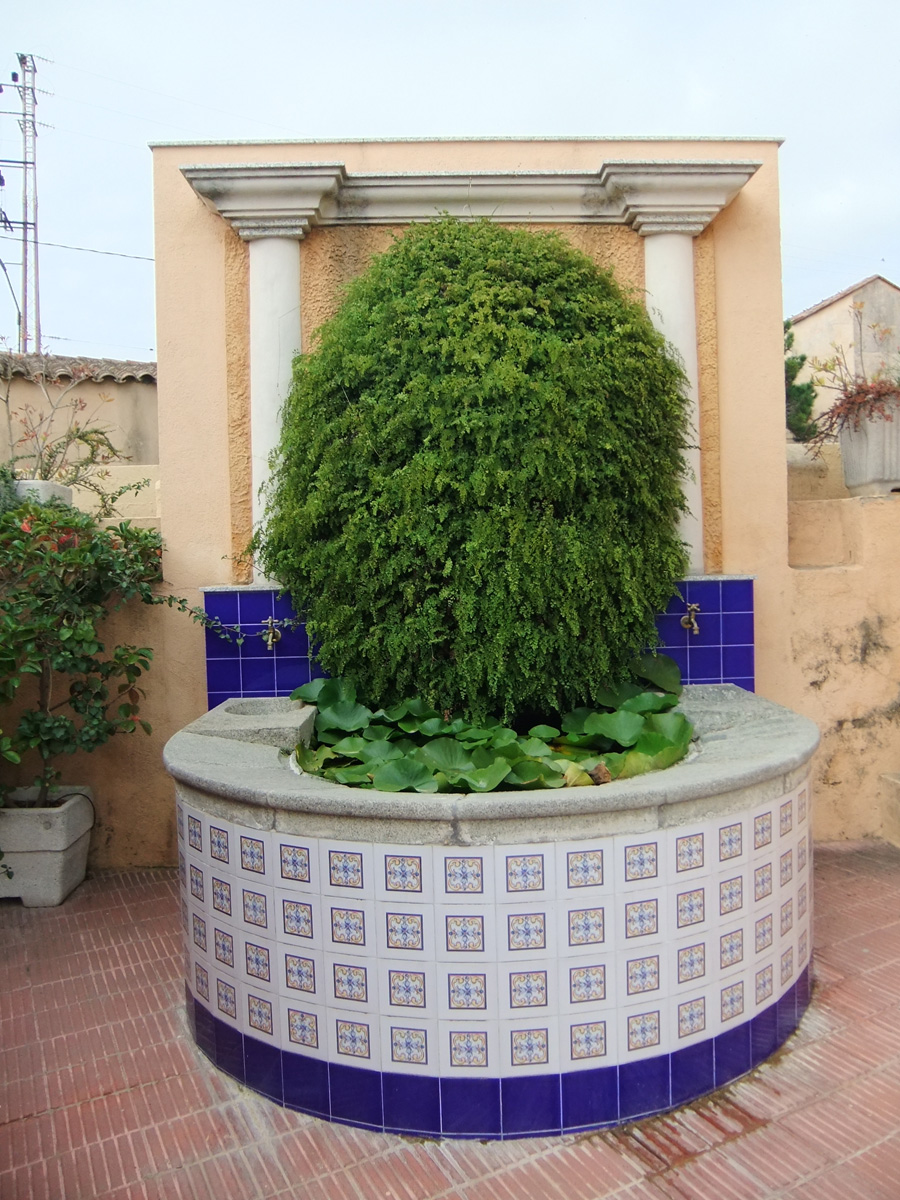
- Cascade and wash basin
reconstructed with original materials, these show how households reused surplus water from underground galleries.
- Well No. 1
dating from the early 20th century, it is three metres wide and 45 metres deep. It forms part of the town’s water supply.
- Solar panels
the photovoltaic installation above the Ca l’Eudald reservoir shows another way of generating energy.
- Trastejador building
water from wells and underground galleries comes together in its masonry basin.

The five galleries
- Gallery 1 · The history of Mina Vella
the company’s origins in the mid-19th century and its mutual tradition.
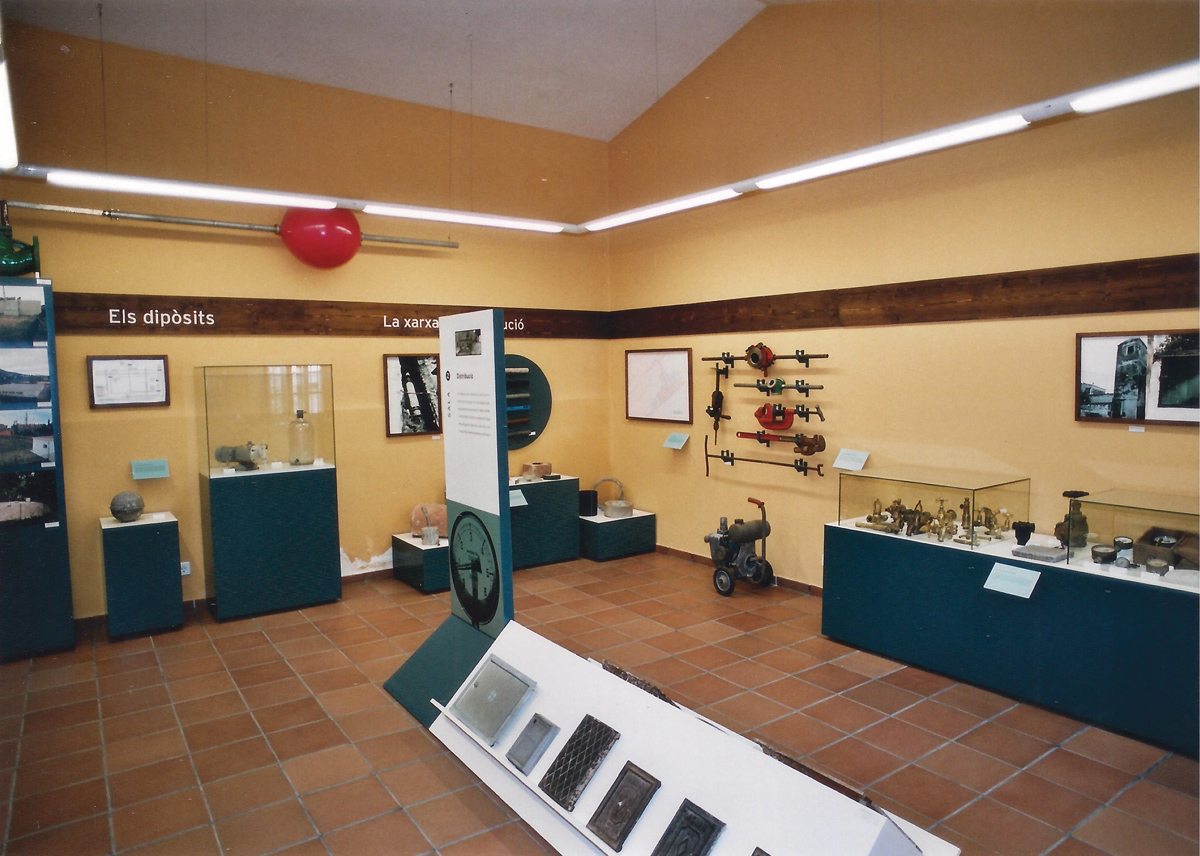
- Gallery 2 · Distribution
reservoirs, treatment and the network show how water reaches homes. Flow dividers, traditional water allocations and measuring devices show how it was shared and measured.
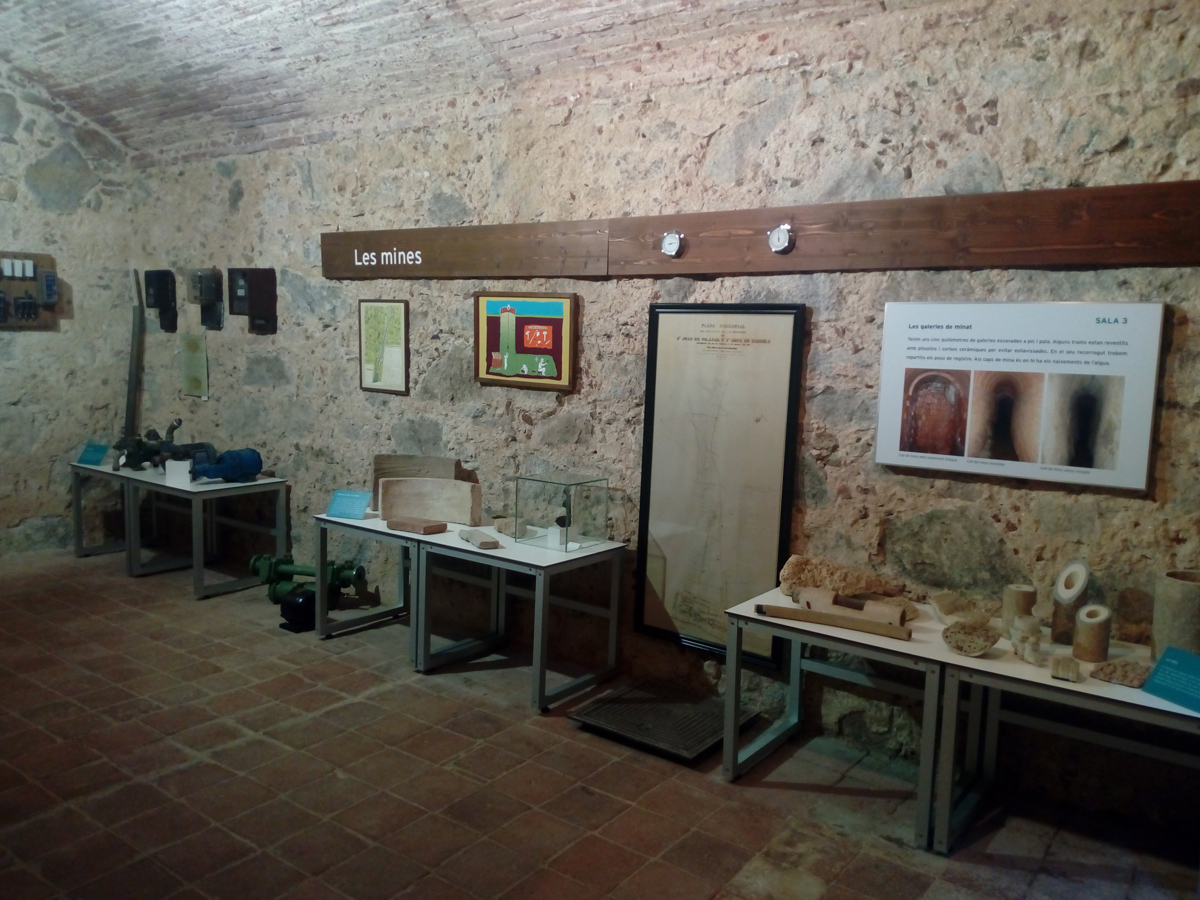
- Gallery 3 · Finding water
how people found groundwater and built wells and galleries. The displays cover traditional trades, extraction methods and the arrival of water from the River Ter.
- Gallery 4 · The mill workshop
the former millstone room of the Molí de les Alzinetes explains how grain was ground into flour.
- Gallery 5 · The wheel chamber
beneath the workshop, visitors can see where the water turned the mill wheel. At the lowest level, the dry drainage gallery shows how the tunnels were built.

Water today, the archive and the library
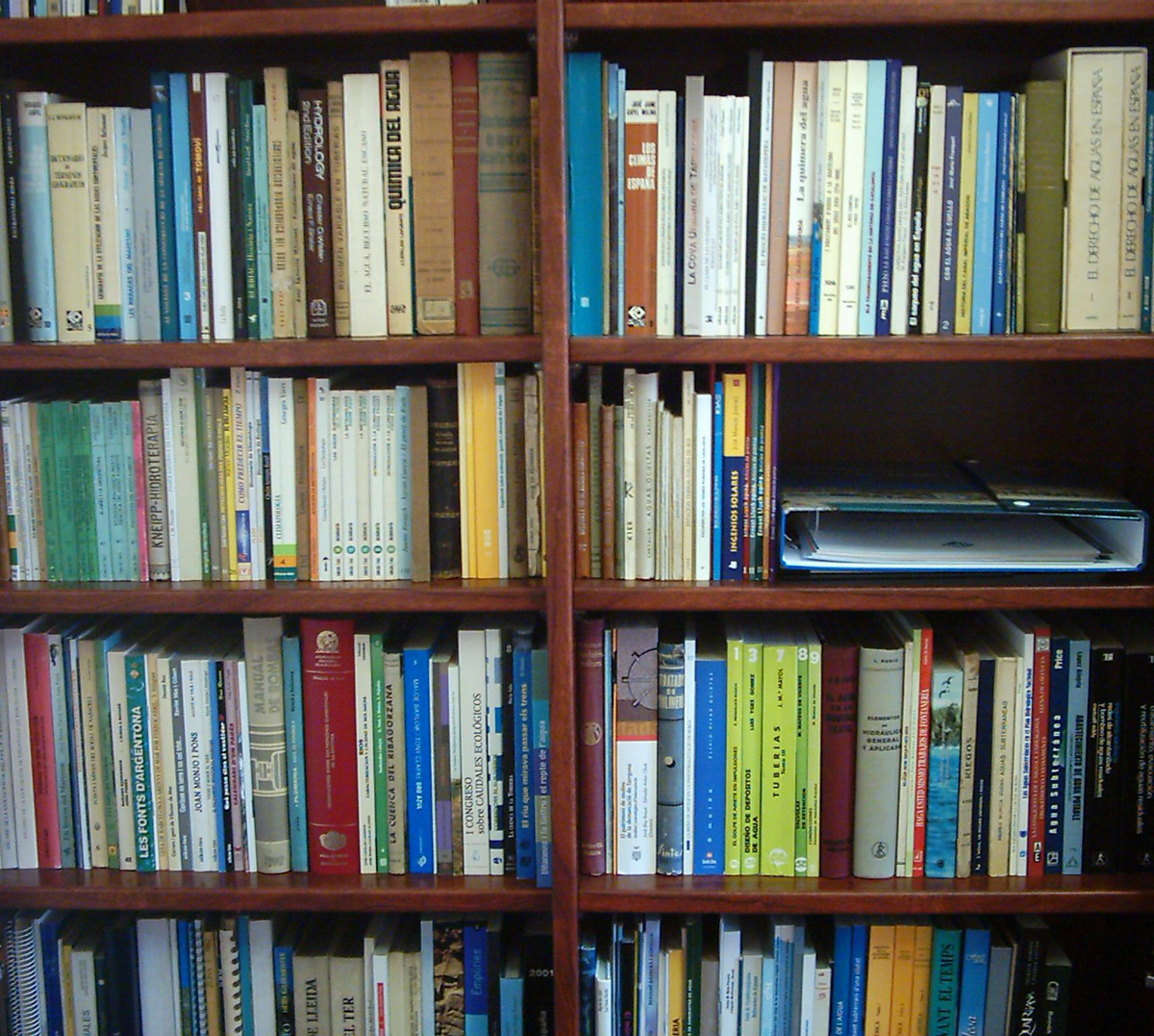
The exhibition connects historic techniques with today’s supply, quality monitoring and responsible water use. The Museum holds the Mina Vella archive, with records from the mid-19th century, and a specialist library on water, weather and mills.